



How to Plan a Perfect Pool Construction Budget
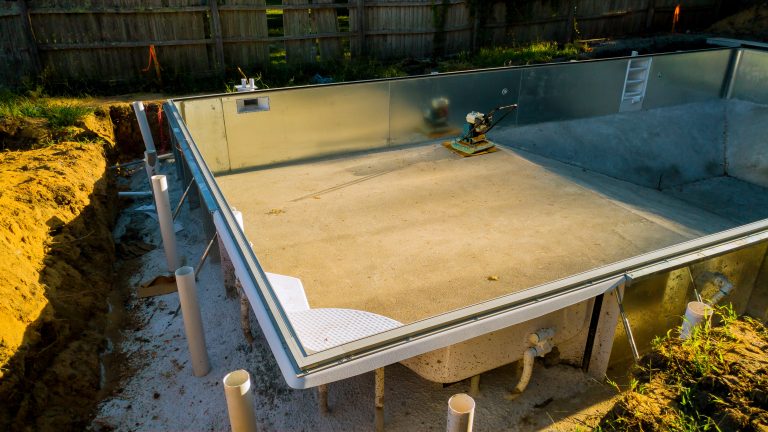
Pool construction is an exciting investment that enhances your outdoor space and adds value to your home. However, it comes with various costs that must be carefully planned. Knowing these expenses beforehand helps prevent financial surprises and ensures a smoother process.
The key costs of pool construction include:
- Design and Permits: Depending on your city, you may need permits and inspections before construction begins. Custom designs also increase costs.
- Materials: Pools are made of different materials, including concrete, fiberglass, and vinyl. Each material has a different price, durability, and maintenance requirements.
- Labor and Installation: Hiring professional contractors ensures quality work, but labor costs can be a significant portion of your budget.
- Landscaping and Features: Decking, waterfalls, pool lighting, and fencing enhance your pool area but add to the final cost.

Understanding these costs will help you create a realistic budget before construction begins.
Setting a Realistic Pool Construction Budget
A well-planned budget is essential for successful pool construction. Here’s how to ensure you stay on track financially:
- Research and Compare Quotes: Contact multiple pool builders to compare pricing, materials, and labor costs.
- Include Hidden Expenses: Excavation, soil testing, and drainage improvements may not be included in the initial quote. Make sure to factor in these additional costs.
- Plan for Off-Season Construction: Many contractors offer discounts during the fall and winter months when demand is lower.
Proper planning and budgeting can help you avoid overspending while still getting the pool you want.
Estimating Long-Term Pool Expenses
Beyond the upfront pool construction costs, long-term expenses play a crucial role in pool ownership. These include:
- Regular Maintenance: Ongoing costs include pool cleaning, chemical balancing, and filtration system upkeep.
- Energy Bills: Pumps, heaters, and pool lighting can increase monthly electricity consumption.
- Repairs and Replacements: Over time, pool liners, tiles, and filtration equipment may need repairs or replacement.
Consider setting aside a maintenance fund to cover these recurring costs to avoid financial strain.
Ways to Save on Pool Construction
If you’re working within a tight budget, consider these cost-saving strategies:
- Opt for a Simple Shape: Custom-shaped pools are more expensive due to extra labor and materials. Rectangular or oval pools are more affordable.
- Prioritize Features: Start with the essential components like a filtration system and add extra features later.
- Look into Financing Options: Many pool companies offer financing plans or home improvement loans to help you spread payments.
Making informed decisions can help you build a beautiful pool without overspending.
Planning for Future Pool Upgrades
Even if you’re on a budget, you can plan for future upgrades to enhance your pool experience over time. Consider adding:
- Smart Pool Technology: Automated cleaning systems and energy-efficient pumps can save money on maintenance.
- Outdoor Living Spaces: Patios, outdoor kitchens, and landscaping can be added later when your budget allows.
- Heating and Covers: Pool covers and heating systems help extend your swimming season and reduce maintenance costs.
Thinking ahead will help you maximize your investment while keeping costs manageable.
Final Thoughts: Budget Smart, Build Smart
Budgeting for pool construction requires careful planning and consideration of both upfront and long-term costs. By estimating expenses, comparing options, and finding ways to save, you can create a stunning backyard pool without breaking the bank.
Ready to Build Your Pool?
Let us help you plan the perfect pool construction budget, contact us now! For more insights about pool construction, maintenance, and repair, visit our Accent Pools blog page.